




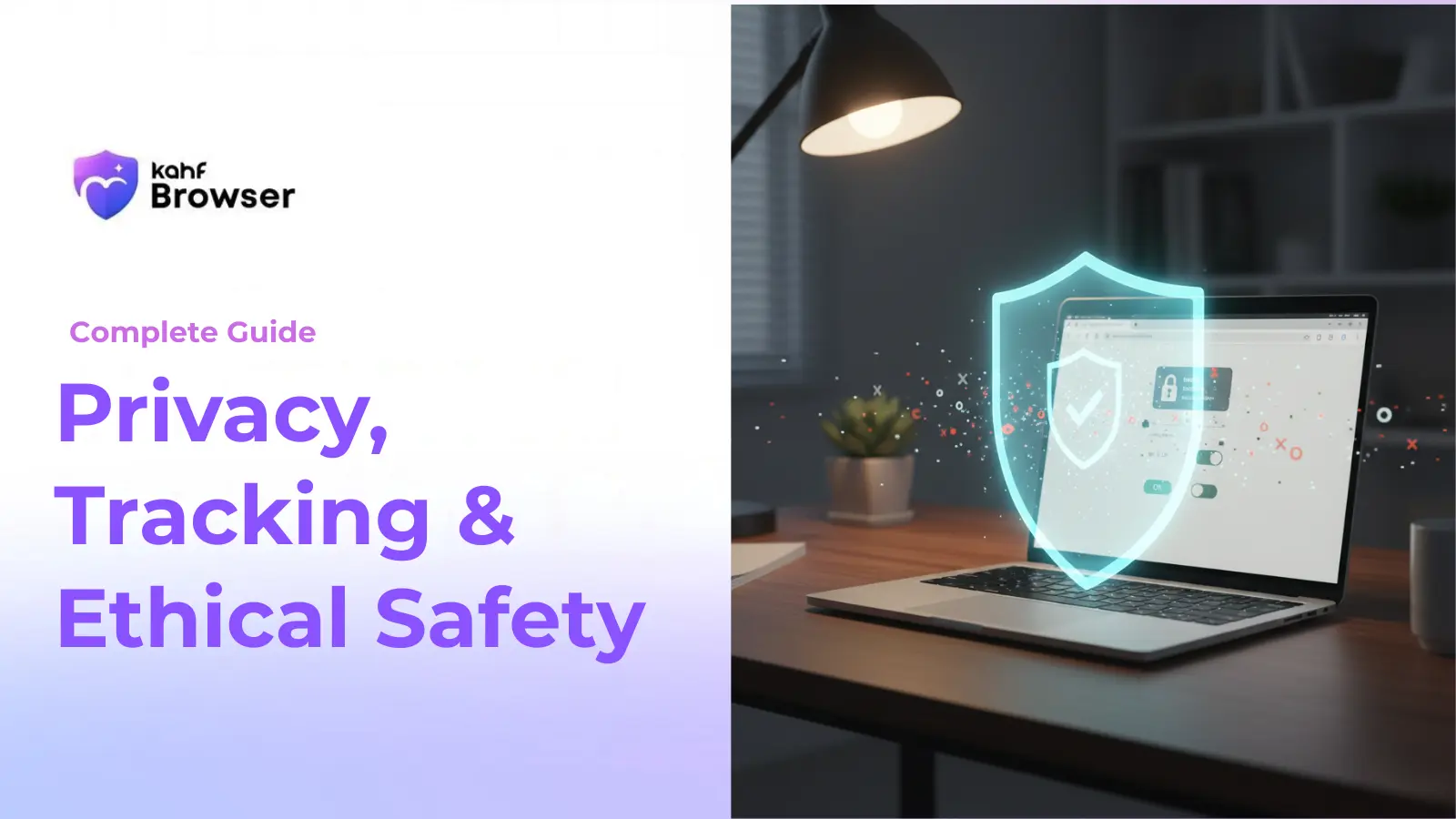
Understanding Online Tracking
Most internet users don't realize the extent of tracking that occurs online. Every website you visit, every search you perform, and every video you watch is tracked. This data is collected, analyzed, and often sold to advertisers, data brokers, and other third parties. As part of our complete safe internet guide, understanding tracking is essential for protecting yourself.
How Tracking Works
Websites use multiple technologies to track users. Cookies are small files stored on your device that identify you to websites. Pixels are tiny images embedded in websites and emails that track when you view them. Device fingerprinting creates a unique identifier based on your device characteristics. These technologies work together to create a detailed profile of your behavior.
Third-party trackers are particularly invasive. When you visit a website, it may contain tracking code from dozens of other companies. These trackers follow you across the internet, building profiles of your interests, habits, and vulnerabilities. This is why you see ads for products you recently searched for—the tracker recognized you and told advertisers about your interests.
What Data Is Collected
The data collected about you is extensive and intimate. It includes your browsing history, search queries, location, device information, IP address, and behavioral patterns. Websites also collect information you voluntarily provide—your name, email, phone number, and personal preferences.
This data reveals sensitive information about your life. Your search history shows your health concerns, financial situation, relationship status, and personal struggles. Your browsing patterns reveal your interests, values, and vulnerabilities. This information is valuable to advertisers who want to manipulate your behavior and to bad actors who want to exploit you.
Why Privacy Matters for Safety
Preventing Manipulation
When advertisers know your vulnerabilities, they can target you with manipulative content. Someone struggling with addiction might see ads for harmful substances. Someone with financial stress might see predatory lending offers. Privacy protection prevents this targeted manipulation.
Preventing Discrimination
Your data can be used to discriminate against you. Insurance companies might charge higher rates based on your health searches. Employers might discriminate based on your political views. Lenders might deny credit based on your browsing patterns. Privacy protection prevents this discrimination.
Preventing Identity Theft
The more data about you that's collected and shared, the greater the risk of identity theft. When your personal information is spread across multiple companies, the chances of a breach increase. Privacy protection reduces this risk by limiting data collection and sharing.
Protecting Autonomy
Privacy is about autonomy—having control over your own information and choices. When companies track you, they're making decisions about what content to show you, what prices to offer you, and how to influence your behavior. Privacy protection ensures you maintain control over your own decisions.
Ethical Data Practices
Transparency
Ethical companies are transparent about what data they collect and how they use it. They provide clear privacy policies that are actually readable, not hidden in legal jargon. They explain their business model and how data collection supports it.
Consent
Ethical data practices require genuine consent. This means users understand what they're consenting to and can easily refuse. It's not consent if users must accept tracking to use a service, or if consent is hidden in complex settings. Ethical companies make it easy to refuse tracking.
Minimal Collection
Ethical companies collect only the data they need. If a service doesn't need to track your location, it doesn't. If it doesn't need to know your age, it doesn't ask. This principle—collecting only necessary data—significantly reduces privacy risks.
Data Protection
When companies do collect data, they have an ethical obligation to protect it. This means using encryption, limiting access to authorized personnel, and having security practices that prevent breaches. Ethical companies take data security seriously.
User Control
Ethical companies give users control over their data. Users should be able to access their data, understand how it's being used, delete it if they want, and download it to move to another service. This control prevents vendor lock-in and respects user autonomy.
Protecting Your Privacy
Use a Privacy-First Browser
Your browser is your primary tool for privacy protection. Choose one designed to minimize tracking. Kahf Browser blocks third-party trackers, doesn't collect your browsing data, and provides privacy controls that actually work. Learn more about Kahf Browser's privacy features.
Manage Your Privacy Settings
Review privacy settings on all your accounts. Limit what information is public on social media, disable location tracking when not needed, and opt out of data sharing where possible. While these settings don't provide complete privacy, they help reduce tracking.
Use Strong Passwords
Strong, unique passwords prevent unauthorized access to your accounts. If someone gains access to one account, they shouldn't be able to access others. Use a password manager to generate and store strong passwords. For more personal protection strategies, see our guide on safe internet for individuals.
Be Cautious About Sharing
Think carefully before sharing personal information online. Every piece of information you share is data that can be tracked and used. Limit what you share on social media, be cautious about what you provide to websites, and never share sensitive information like passwords or financial details.
Consider Additional Tools
For enhanced privacy, consider using a VPN (Virtual Private Network) to encrypt your internet connection, or Tor for anonymous browsing. These tools provide additional privacy protection but may slow down your browsing. For most users, a privacy-first browser is sufficient.
Privacy as a Fundamental Right
Privacy is increasingly recognized as a fundamental human right. The European Union's GDPR and similar regulations worldwide recognize that individuals have rights over their personal data. Privacy protection is not just about personal preference—it's about protecting human dignity and autonomy.
Supporting ethical companies that respect privacy and advocating for stronger privacy protections helps create a safer internet for everyone. When you choose privacy-first tools like Kahf Browser, you're voting with your usage for companies that respect your rights. Learn more about the technologies that enable this in our guide on what makes the internet safe.
Related Reading
What Is a Safe Internet? Definition & Guide
A safe internet is more than just technical security. It's a digital environment where users can browse with confidence, protected from exploitation, manipulation, and harm...
What Makes the Internet Safe: Technology & Solutions
A safe internet requires both technological innovation and ethical practices. Discover the solutions that enable safer browsing and how they work together to protect users.
Safe Internet for Individuals: Your Personal Protection Guide
Whether you're a student, professional, or casual user, protecting yourself online is essential. Learn practical strategies and tools to browse safely and securely.
Frequently Asked Questions
How much of my data is actually tracked online?
Is it possible to browse completely anonymously?
What's the difference between privacy and security?
Can I opt out of tracking?
Is my data worth protecting?
Protect Your Privacy Today
Download Kahf Browser and take control of your privacy with zero data collection and comprehensive tracking protection.
Download Free